
In the quickly changing healthcare landscape of today, both financial sustainability and high-quality patient care are now crucial. Revenue Cycle Management (RCM) is one of the most important aspects of a healthcare organization's financial health. The revenue cycle requires accuracy, efficiency, and coordination at every stage, from patient registration to the final payment collection. For modern healthcare to achieve long-term financial success, smart revenue cycle management is now a must.
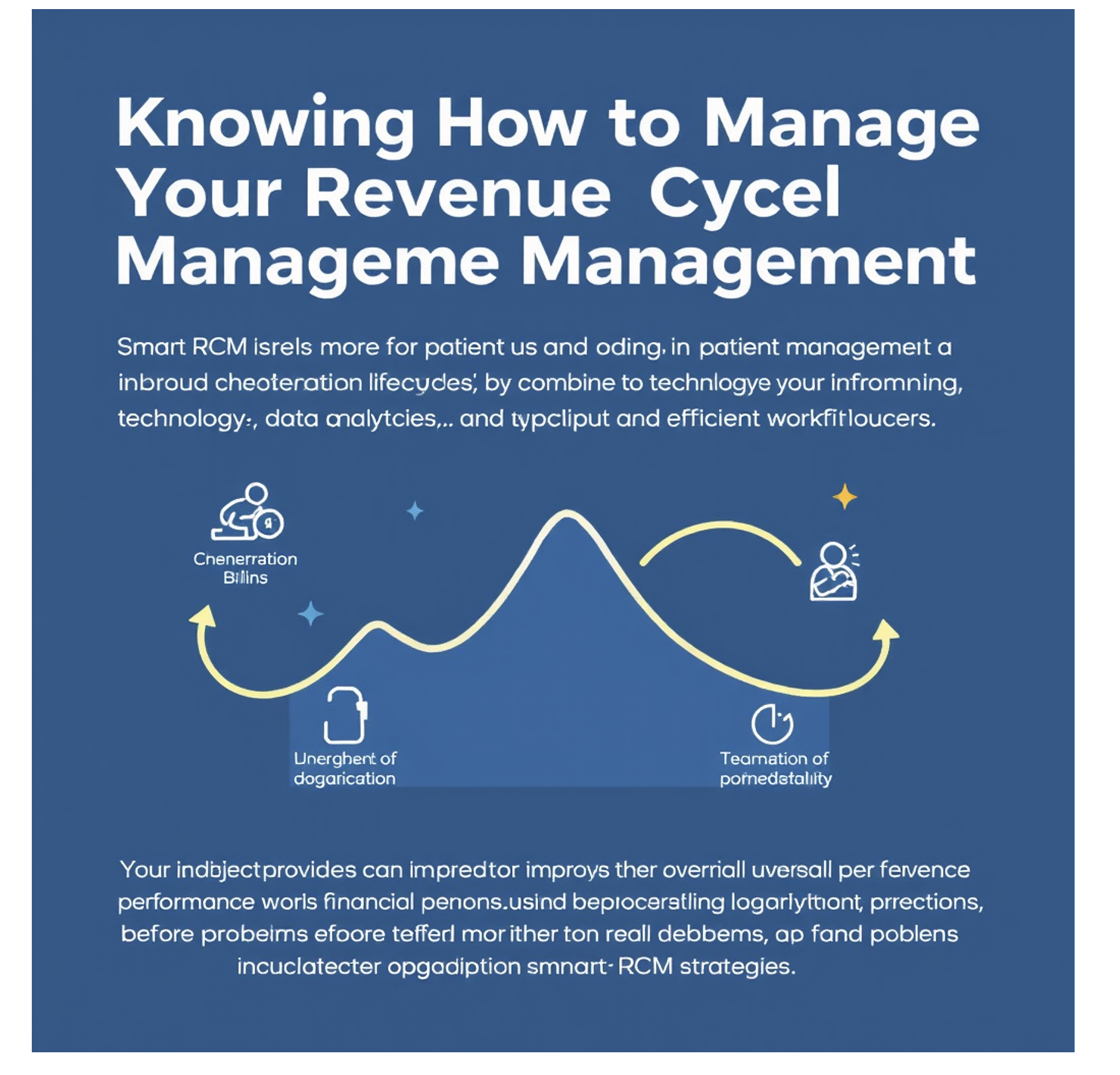
Knowing How to Manage Your Revenue Cycle Management
Smart RCM is more than just billing and coding. It manages a patient encounter's whole financial lifecycle by combining technology, data analytics, and efficient workflows. Improving overall revenue performance, reducing errors, and expediting reimbursements are the objectives.
Healthcare providers can improve their understanding of their financial operations and proactively resolve problems before they affect cash flow by implementing smart RCM strategies.
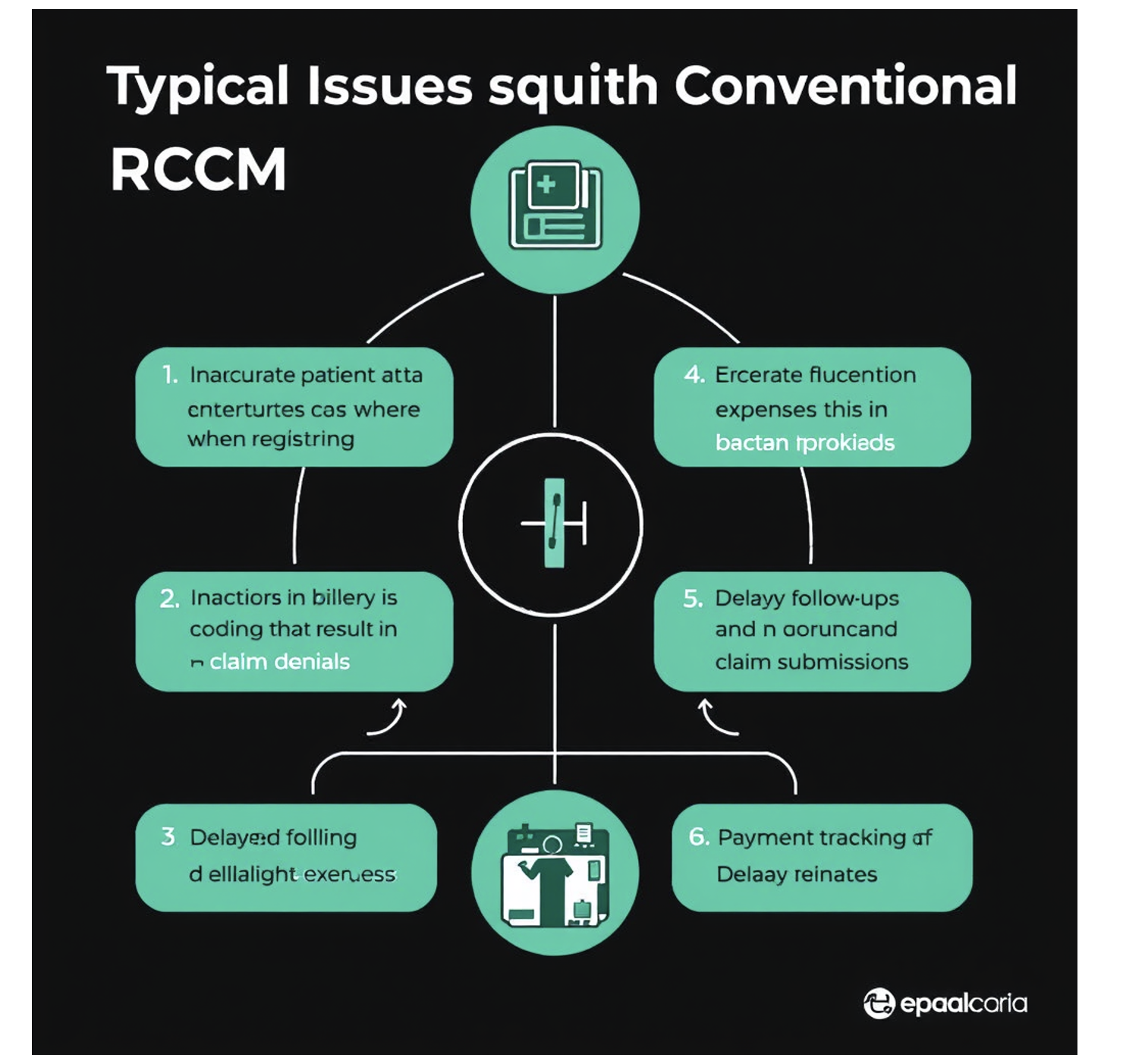
Typical Issues with Conventional RCM Systems
Outdated RCM procedures continue to cause inefficiencies and revenue loss for many healthcare organizations.
Typical issues include: inaccurate patient data when registering, errors in billing and coding that result in claim denials, delayed follow-ups and claim submissions, and opaque payment tracking.
These problems raise operating expenses and administrative burdens in addition to delaying reimbursements.
The Function of Technology in Contemporary RCM
The transformation of conventional RCM into an intelligent, effective system is largely dependent on technology. To increase accuracy and decrease manual labor, advanced RCM solutions leverage analytics and automation.
Significant technological developments consist of: automated confirmation of eligibility, scrubbing and validating claims in real time, platforms for integrated billing and payments, and data-driven reporting and insights into performance.
These tools assist healthcare providers in locating revenue leaks and streamlining the entire revenue cycle.
How Financial Performance Is Enhanced by Intelligent RCM
Lower Denials of Claims Higher first-pass acceptance rates and clean claims are guaranteed by intelligent RCM systems' early error detection.
Quicker Refunds Automation expedites the filing of claims and their follow-up, which lowers insurance payer payment delays.
A Better Cash Flow Revenue streams are consistent and predictable when billing and collection procedures are carried out effectively.
Reduced Operating Expenses Organizations can drastically lower operating costs by reducing manual procedures and rework.
Using Effective RCM to Improve Patient Experience
In addition to helping healthcare providers, an efficient revenue cycle enhances the patient experience. Multiple payment options, precise estimates, and transparent billing all aid patients in understanding their financial obligations.
Trust grows and payment collections improve when patients receive timely and clear billing information. Smart RCM makes it so that patients and providers benefit from each other.
Revenue Cycle Management's Future
Intelligent, networked systems that can adjust to shifting payer demands and healthcare regulations are the key to the future of RCM. Revenue cycle strategies will continue to be shaped by real-time reporting, predictive analytics, and smooth system integration.
Investing in intelligent RCM solutions now will put healthcare organizations in a better position to manage upcoming difficulties, uphold compliance, and experience long-term growth.
Conclusion
In contemporary healthcare, effective revenue cycle management is the cornerstone of financial success. Healthcare providers can increase patient satisfaction, improve cash flow, and decrease denials by adopting technology-driven solutions and streamlined workflows. A solid and astute RCM strategy is essential for long-term stability and expansion in the fiercely competitive healthcare industry.


