
To ensure accurate documentation and prompt reimbursements, medical coding has always been a crucial component of the healthcare revenue cycle. Nevertheless, conventional coding techniques are frequently laborious and prone to human error. Medical coding is changing as a result of automation and artificial intelligence (AI) in the healthcare industry. These technologies are anticipated to improve efficiency, accuracy, and compliance in healthcare organizations by 2025 and beyond.
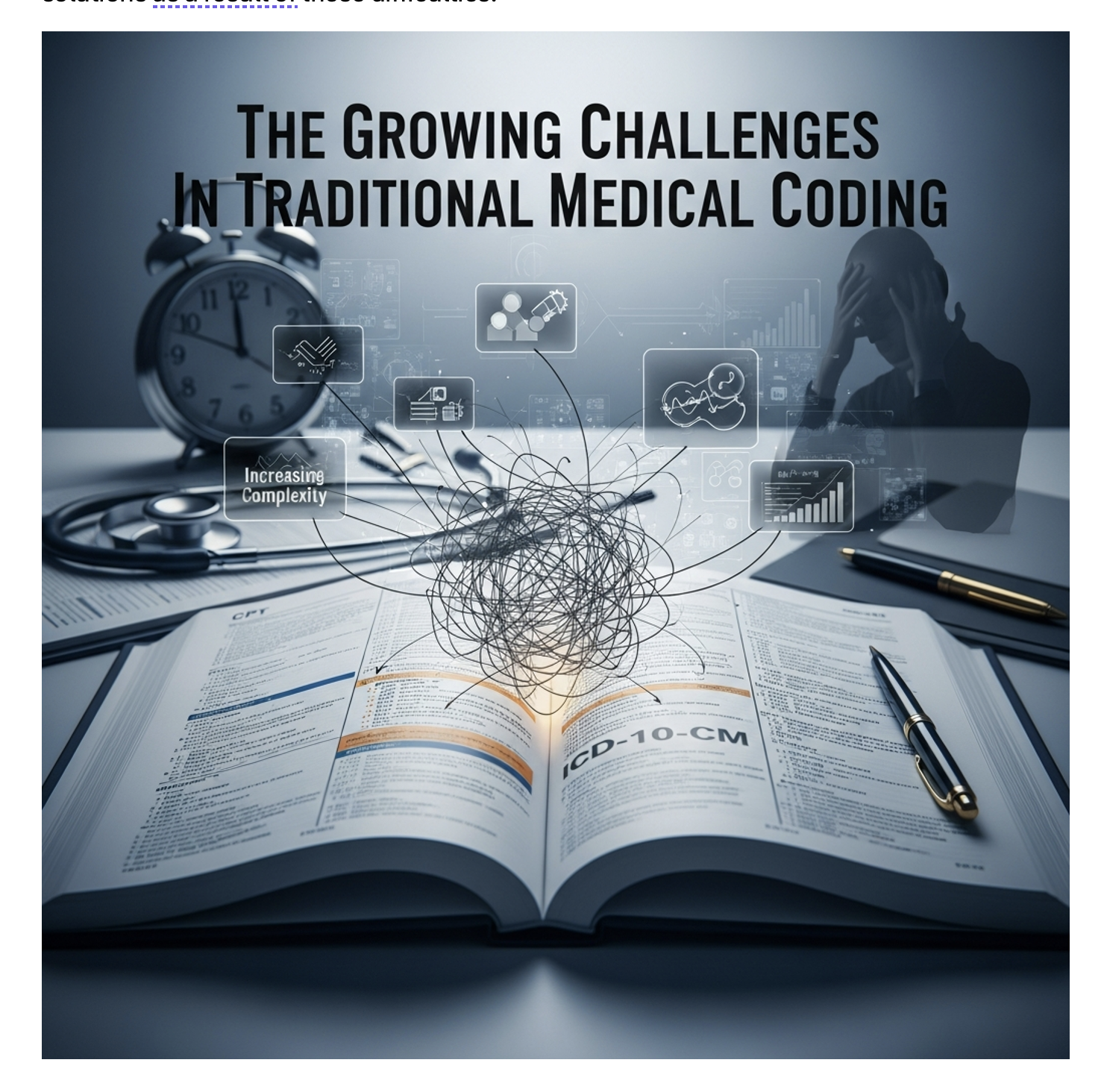
The Growing Challenges in Traditional Medical Coding
Manual medical coding necessitates a thorough understanding of coding standards, frequent updates, and painstaking attention to detail. Challenges that coders frequently encounter include: Regular changes in ICD and CPT codes, high rates of claim rejection as a result of coding mistakes, workload growth and a lack of employees, and compliance and audit risks.
Healthcare providers are now looking for more intelligent, technologically advanced solutions as a result of these difficulties.
How AI Is Transforming Medical Coding
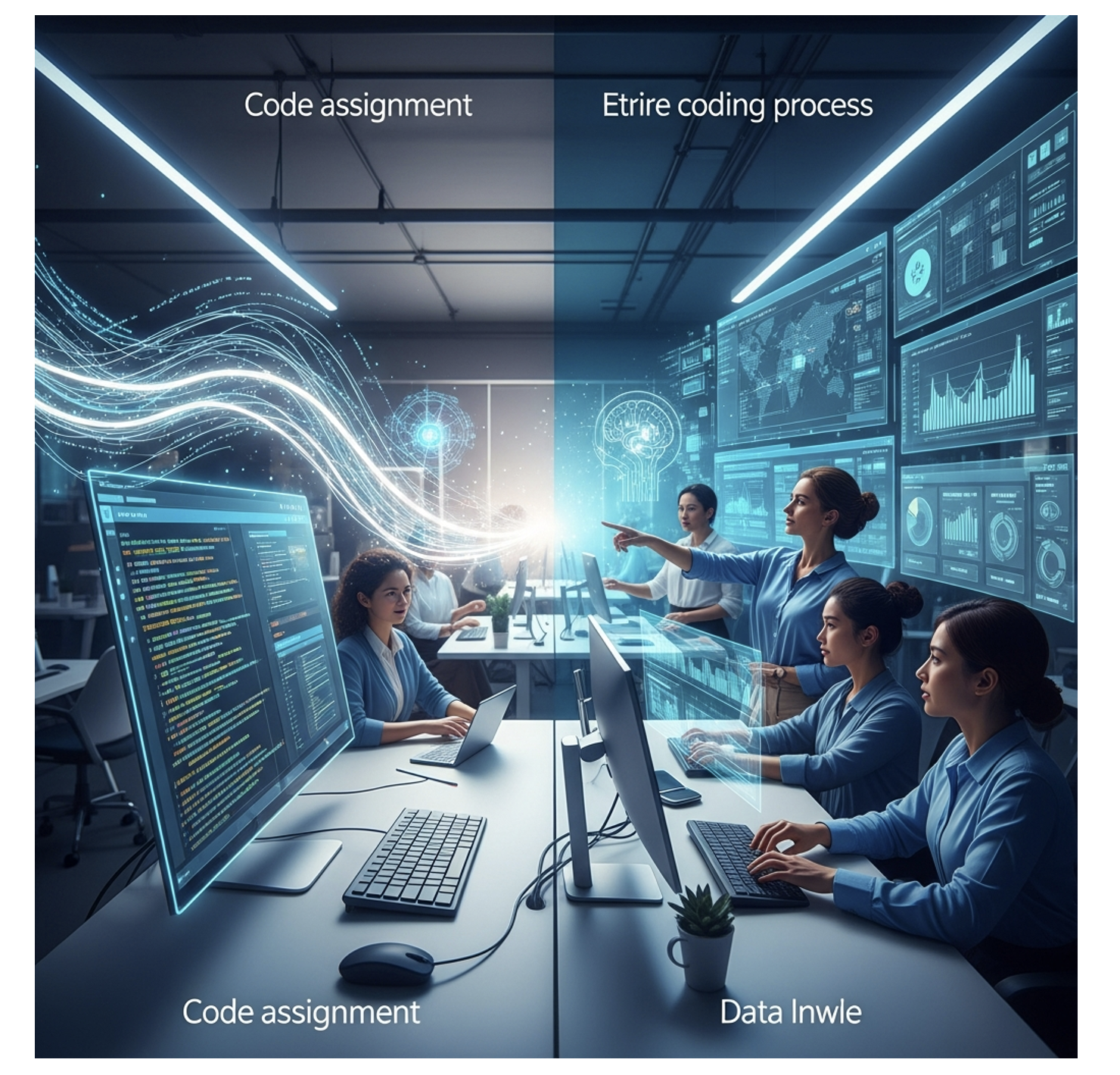
Natural language processing (NLP) and machine learning are used by AI-powered medical coding systems to evaluate clinical documentation and automatically assign correct codes. These programs are able to read medical records and extract pertinent information, determine the appropriate procedure and diagnosis codes, minimize reliance on manual data entry, and improve coding speed and consistency.
AI gets increasingly accurate over time as it gains knowledge from past data, reducing mistakes and raising claim acceptance rates.
Automation's Impact on Coding Efficiency
Code assignment is only one aspect of automation. The entire coding process is streamlined by: noting inaccurate or lacking documentation, making sure payer-specific regulations are followed, easily integrating with billing and EHR systems, and shortening the time it takes to submit claims.
AI and Automation's Advantages for Medical Coding
There are numerous long-term advantages to using AI-driven medical coding, including:
Enhanced Precision By analyzing big datasets and adhering to standard coding guidelines, AI lowers human error.
Reduced Turnaround Time Automated systems speed up claim submissions and reimbursements by drastically cutting down on coding delays.
Cost-Effectiveness By lowering administrative burdens, rework, and denials, healthcare providers can reduce operating costs.
Improved Adherence AI solutions help businesses stay in compliance with industry standards by keeping up with regulatory changes.
Will Medical Coders Be Replaced by AI?
The question of whether AI will totally replace human programmers is one that is frequently raised. In actuality, AI is meant to assist coding experts rather than take their place. Human knowledge is still necessary for specialized and complex cases, reviews of compliance and audits, and AI system training and quality control.
A hybrid approach to medical coding is the way of the future, with coders managing accuracy and decision-making while AI takes care of routine tasks.
Upcoming Developments in Medical Coding Technology
The field of medical coding will continue to change in the future due to developments like: using predictive analytics to prevent denial, help with coding in real time while doing clinical documentation, platforms for cloud-based AI coding, and increased healthcare system interoperability.
Both patient care outcomes and revenue cycle performance will be further improved by these innovations.
Conclusion
Automation and artificial intelligence will undoubtedly drive medical coding in the future. Healthcare organizations can anticipate increased accuracy, quicker reimbursements, and less administrative burden as they implement these technologies. Human programmers will still be essential, but their responsibilities will shift to include supervision and strategic judgment. Adopting AI-powered medical coding now is essential to the healthcare sector's continued financial viability and competitiveness.
Healthcare companies enable coders to concentrate on complex cases that call for human expertise by automating repetitive tasks.


